 Intrigue Digital
Being cited now beats ranking first
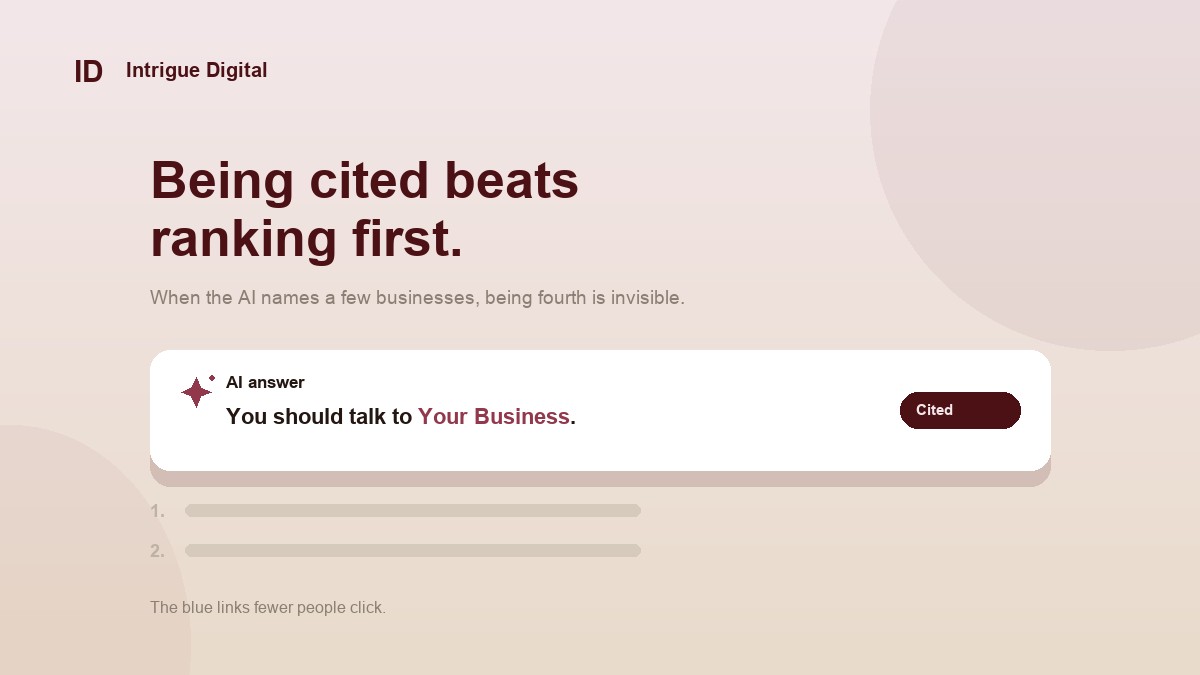
More answers are read, fewer links are clicked. The goal has moved from ranking for the keyword to being the answer it produces.
The end of the ten blue links
For twenty years, search engine optimisation meant one thing: get your page as high as possible on Google so people click it. That model is quietly breaking. Google now shows AI Overviews, machine-written summaries, above the normal results for a large share of queries, and a 2025 Pew Research Center study found that when one appears, clicks on normal results roughly halve, from about 15 percent of searches to about 8 percent. Pew also found that searches with an AI Overview were far more likely to end the session entirely.
Meanwhile, Gartner has forecast that traditional search volume will drop around 25 percent by 2026 as people take their questions straight to AI chatbots instead. The combined effect is simple: more answers are being read, and fewer links are being clicked. Ranking first on a page that fewer people scroll is a shrinking prize.
What "being cited" actually means
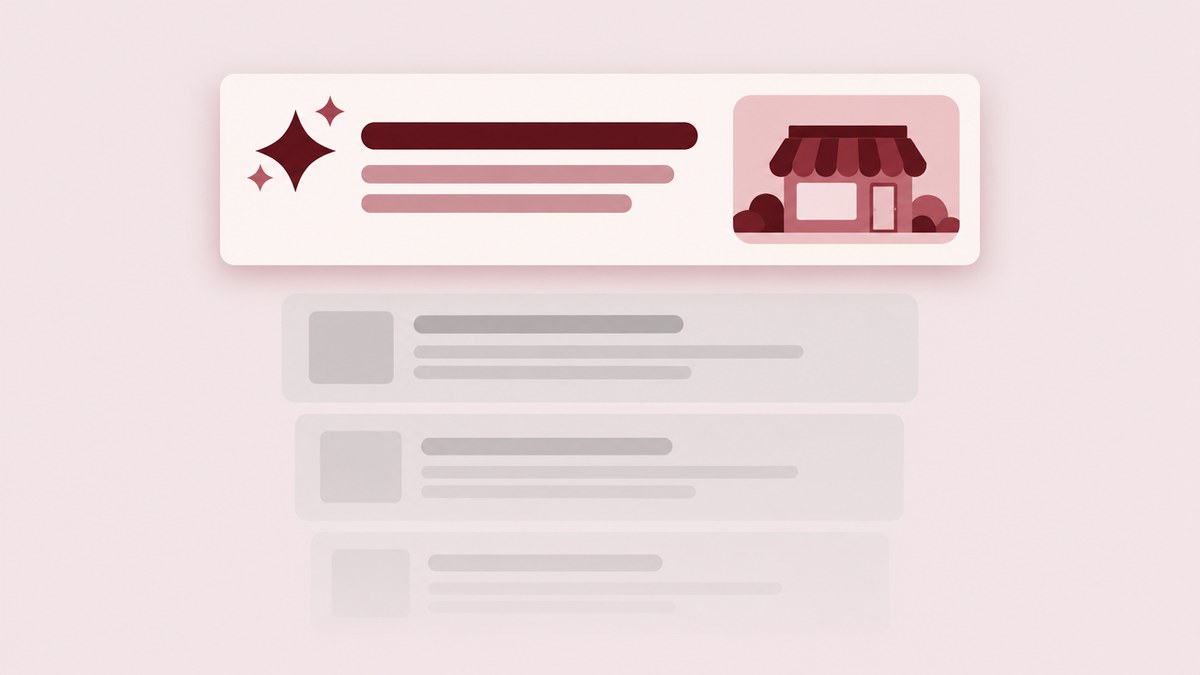
There are two places the new game is played. The first is inside Google's AI Overview, where the summary names and links a handful of sources. The second is inside the chatbots themselves, ChatGPT, Claude, Gemini, Perplexity, Grok, where the model simply tells the user which businesses to consider. In both cases, the win is the same: your name is in the answer. Everything else on the page, including the fourth or fifth organic result, is increasingly invisible.
Case study: clients arriving straight from the chatbot
Jeremy Britton, founder of Boston Trading Co, described this shift plainly in our Business Spotlight. His newer clients are increasingly finding him through ChatGPT, Claude and Grok, not through a traditional Google search. As he put it, these are people who did not search Bing, DuckDuckGo or Google at all, they went straight to the chatbot and acted on what it told them.
If your business is mentioned, it survives. If the AI cannot see your content, neither can any of your new customers.
His other observation is the one that should change how you budget. Chatbots, he noted, do not care how much you spent on ads. You cannot outbid a competitor for an AI recommendation. That makes it a channel no ad budget can manipulate, and a durable advantage for the businesses that earn it early.
Why ranking fourth is now invisible
When an AI names two or three businesses, being fourth on Google is irrelevant, because the buyer never scrolls there. The shortlisting that a human used to do by skimming results is now done for them by the model. So the strategic goal moves from "rank for the keyword" to "be the answer the keyword produces". It is a subtle shift with large consequences for where you put your effort.
What the data says about the shift to AI answers
This is not a hunch, it is visible in the numbers. ChatGPT alone passed 800 million weekly active users in October 2025, up from around 100 million two years earlier, and AI referral traffic to websites has grown by triple digits year on year in several analyses as people act on what assistants tell them.
The most important finding for any business, though, is how little being cited has to do with ranking. A Topify analysis of around 30 million citations found that roughly 80 percent of the sources AI tools cite do not rank in Google's top 100 for the same query. The assistant is not simply reading the top of Google and reporting it back. It is drawing on a different, wider set of sources and judging them by trust and relevance rather than by Google position.
Two more findings sharpen the picture:
- Each assistant has its own answer. The same research found only about 11 percent of domains appeared in citations from both ChatGPT and Perplexity for the same buyer-relevant prompts. Being the answer on one engine does not make you the answer on another, so visibility has to be earned across them, not assumed.
- Most answers come from training, not live search. One 2025 analysis by CXL estimated ChatGPT uses live web search for only about a third of queries, down from closer to half the year before. The rest draw on what the model already learned, which is why consistent, widely-repeated information about your business is what gets you named.
- Mentions matter more than links. An Ahrefs study of around 75,000 brands found branded web mentions correlated far more strongly with AI visibility, about 0.66, than backlinks did, around 0.22. Being talked about in the places models trust is the new currency.
Volume is still catching up, Google organic drives far more conversions in absolute terms today, but the direction of travel is unmistakable. The path to being the cited answer runs through trust and mentions across multiple platforms, not through a single high Google ranking. That is a different game, and most of your competitors have not started playing it.
How to become the cited answer
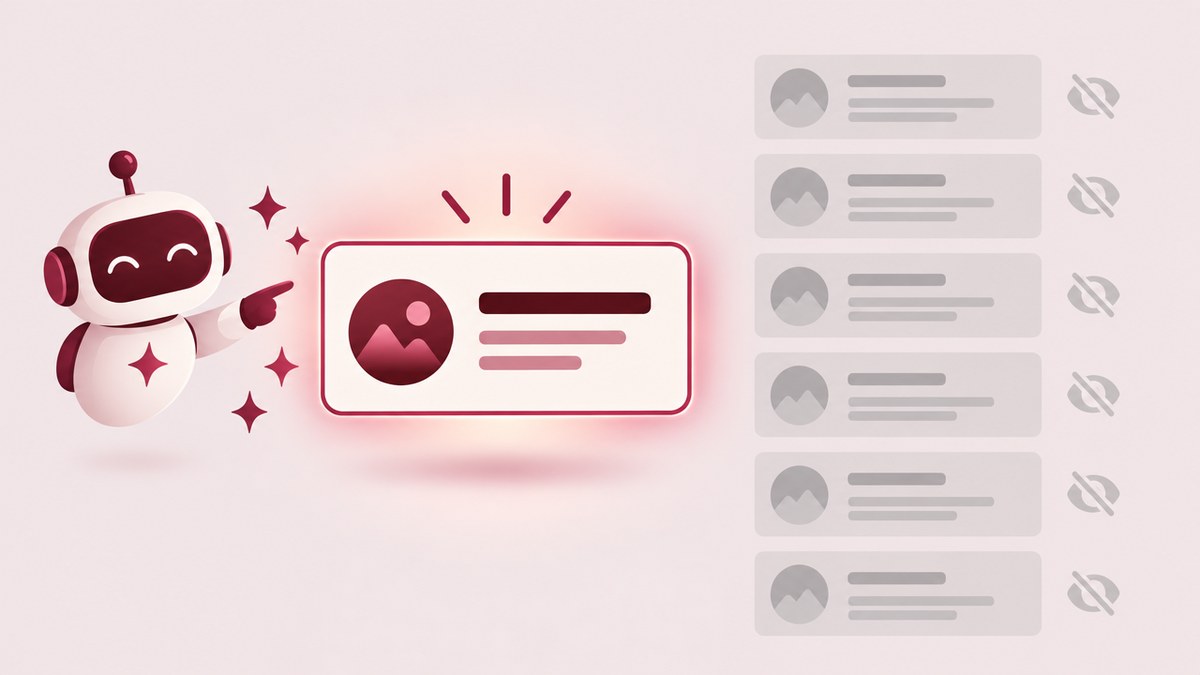
The levers overlap with good SEO, but the emphasis changes. You are optimising to be quoted and trusted, not just to rank.
- Answer-first content. Open every key page with a clear, self-contained answer the AI can lift without ambiguity. Structure beats cleverness.
- Entity clarity. Make it unmistakable who you are, what you do and where, consistently, so the model is confident enough to name you.
- Trust signals. Reviews, citations and mentions on sources the model already respects. These are what separate a business the AI mentions from one it merely could.
- Structured data. Schema for your organisation, services, reviews and FAQs, so machines read your pages without guessing.
- Specific, niche pages. Precise pages for precise questions get cited where generic ones are skipped.
- Freshness and consistency. Keep the facts current and identical everywhere. Stale or conflicting details quietly erode trust.
Case study: the cited answer, then the leads
True Tally Bookkeeping is a useful example of what this is worth. By making their pages the clearest answer to the questions their target industries ask, and keeping their details and reviews consistent, they became the business that search engines and AI assistants pointed people towards. The result was a move from effectively zero inbound enquiries to around twenty qualified leads a month. The leads converted well precisely because the buyers arrived already told, by a trusted source, that True Tally was the answer.
The three places an AI answer shows up
To act on this you need to know where the answers appear. There are three, and each needs slightly different attention.
- Google AI Overviews. The machine-written summary at the top of many Google results, which names and links a handful of sources. Getting cited here depends on clear, answer-first content and the authority Google already associates with your site.
- AI chatbots. ChatGPT, Claude, Gemini, Perplexity and Grok, where a user asks directly and the model recommends businesses. This leans on what the model learned in training and, for connected tools, the sources it retrieves and trusts live.
- AI-powered features inside other platforms. Shopping assistants, in-app recommendations and voice assistants increasingly surface a small set of businesses. The same signals, clarity, consistency and trust, decide who they name.
You do not have to master all three at once. Start where your buyers already are, usually Google AI Overviews and ChatGPT, and the work carries across.
What this means for your marketing budget
The shift from clicks to answers changes where your next marketing dollar works hardest. For years the default was to pour more into ads to buy the clicks that organic was not delivering. But if fewer people are clicking at all, and the ones using AI are acting on recommendations you cannot buy, then spending only on ads is defending a shrinking territory.
The more durable investment is in becoming the answer: the content, consistency and trust signals that make an AI confident enough to name you. Unlike ad spend, that advantage compounds. It does not switch off the day you pause the campaign, and no competitor can outbid you for it. This is not an argument against ads, which still work well for immediate demand. It is an argument for shifting some of your effort upstream, into the visibility that keeps paying after the ad budget is spent.
A simple AI-visibility audit you can run today
You can get a baseline in half an hour, for free. Write down the five questions your best customers ask before they buy. Ask each one in ChatGPT, Gemini and Perplexity, and in Google where an AI Overview appears. For each, record three things: are you named, is a competitor named instead, and is the information about you accurate. Save the results with the date.
That single page tells you more than most paid tools. Where a competitor is named and you are not, you have a content and trust gap on a specific topic. Where the AI gets your details wrong, you have a consistency problem to fix across your profiles. Where no one useful is named, you have an open opportunity to become the default answer before anyone else bothers. Repeat the audit monthly and you will see the needle move.
How to measure it
You cannot manage what you do not watch. Two habits help. First, use Google Search Console, which now reports impressions and clicks that include AI Overviews, so you can see where you are being surfaced. Second, run manual prompt tests in ChatGPT, Gemini and Perplexity each month, asking the questions your buyers ask and recording whether you are named. Treat "are we the answer" as a core metric, alongside rankings and traffic.
What being cited looks like across industries
The shift plays out differently depending on what you sell, but the prize is always the same, your name in the answer. A few patterns we see:
- Professional services. Accountants, brokers and lawyers are asked to be explained before they are chosen. When a buyer asks an AI "do I need a bookkeeper for my dental practice" or "how do I choose a mortgage broker", the firm whose content answered that question clearly is the one named as the next step.
- Local trades. People ask AI who does a specific job in a specific suburb. Here, reviews and a consistent, accurate local presence carry enormous weight, because the model is effectively making a local recommendation.
- Ecommerce. Shoppers increasingly ask AI for product and supplier recommendations before they ever reach a category page. Being the brand the assistant names shortcuts the entire comparison stage.
- Considered B2B. For high-value services, buyers ask AI to shortlist providers. Being on that shortlist, assembled by a tool no competitor can pay off, is worth more than any single ranking.
In each case, the businesses being cited are not necessarily the biggest or the oldest. They are the ones that made themselves the easiest to understand, trust and quote.
Keep doing SEO. Just stop measuring success only by Google position, and start asking a better question: when someone asks an AI who to use, does it say your name?
Sources: Gartner, search volume forecast; Pew Research Center, AI Overviews and clicks; Google, AI Overviews in Search; TechCrunch, ChatGPT 800 million weekly active users; Semrush, ChatGPT search study; plus citation research referenced above from Topify (approx. 30 million citations), CXL and Ahrefs. Correlational findings indicate association, not proof of cause.
Frequently asked questions
What does it mean to be cited by AI?
It means your business is named in the answer an AI gives, either inside Google's AI Overview or directly by a chatbot like ChatGPT or Perplexity. The buyer acts on that name without scrolling a results page, so being cited is the new version of ranking first.
Is SEO dead because of AI search?
No. The fundamentals of SEO, clear content, authority and trust, still matter, and they feed AI visibility too. What is dying is measuring success only by Google position. You now also need to be the answer AI gives.
How do I know if AI is sending me customers?
Use Google Search Console, which includes AI Overview impressions and clicks, and run monthly prompt tests in ChatGPT, Gemini and Perplexity. Ask new enquiries how they found you, more will say an AI suggested you than you expect.
Can my competitors pay to be the AI's recommendation instead of me?
Not for organic AI answers. Chatbots do not sell recommendations, so you cannot be outbid. That is what makes being the cited answer such a durable advantage once earned.
Which matters more, Google rankings or AI citations?
Both, but the balance is shifting. For now, keep your Google rankings and build AI visibility alongside them. As more searches end in an AI answer, being cited will matter more each year.
Want to be the brand AI mentions?
Intrigue Digital does SEO, AEO and GEO as one system, so your business shows up whether someone searches Google or asks ChatGPT. One business per industry, per postcode.
Book a free strategy call →